On This Page – Quick Medical Summary
What are breast cancer risk factors?
Breast cancer risk factors fall into two clinical categories: factors you cannot change — including age, genetics, and family history — and factors where your lifestyle and medical choices measurably shift your probability of developing the disease.
📊 Clinical Data Point: Approximately 1 in 8 US women will develop breast cancer during her lifetime, representing a lifetime risk of approximately 12.9%. — Source: NCI SEER database, 2026
Having a risk factor does not make breast cancer inevitable. Not having any identifiable risk factor is not a guarantee of protection. Understanding both categories is the first step toward managing your risk with accurate information.
Alongside your risk profile, knowing the early symptoms of breast cancer gives you the complete clinical picture of when — and how urgently — to seek evaluation.
ℹ️ Medical Disclaimer: The risk factor information, genetic testing criteria, hormonal risk data, benign breast condition classifications, chemoprevention medication details, and screening recommendations discussed in this article reflect current clinical guidelines and are provided for educational purposes only. Individual risk profiles, diagnostic conclusions, treatment decisions, and medication choices depend on personal medical history, family history, comorbidities, imaging findings, and specialist assessment. Consult a board-certified gynecologic oncologist or primary care physician before acting on any clinical information in this article. Insurance coverage for genetic testing, enhanced breast imaging, and risk-reduction medications varies.
Risk factors for breast cancer you cannot change
Knowing which risks are fixed establishes your clinical baseline and determines the appropriate intensity of your screening schedule.
How age affects your breast cancer risk
Breast cancer risk increases steadily throughout a woman’s life. The sharpest acceleration occurs after age 40, with the largest proportion of new diagnoses occurring in women over age 55.
📊 Clinical Data Point: The median age at breast cancer diagnosis in the United States is approximately 62 years, and women aged 70–74 carry the highest annual incidence rate of any age group. — Source: NCI SEER database, 2026
Younger women are not without risk — those with BRCA mutations, dense breast tissue, or a strong family history face meaningfully elevated probability even in their 30s and 40s. For a detailed look at how age and stage interact in breast cancer outcomes, our guide to breast cancer stages and what they mean for treatment explains what each diagnosis stage means prognostically.
For broader context on the NCI’s breast cancer risk and prevention data, the National Cancer Institute publishes current population-level incidence figures by age group.
Race, ethnicity, and breast cancer: what the data shows
Overall breast cancer incidence rates are comparable between Black and white women in the United States. The clinical disparity lies in outcomes: Black women are disproportionately diagnosed with triple-negative breast cancer — a hormone receptor-negative subtype with a more aggressive clinical course — and carry a breast cancer mortality rate approximately 40% higher than white women, according to 2026 ACS data.
This disparity reflects differences in tumor biology, access to timely screening, and delays between symptom onset and diagnosis — not a personal or preventable failing. Women of Ashkenazi Jewish ancestry also carry a substantially elevated prevalence of BRCA1 and BRCA2 mutations, a risk addressed fully in the next section.
Having had breast cancer before
A prior breast cancer diagnosis in one breast raises the risk of contralateral breast cancer — a new, independent tumor in the opposite breast. This risk persists for years after initial treatment and is central to every survivor’s lifelong surveillance plan.
Not sure whether a new symptom warrants a physician call? Use our Symptom Checker to help guide your next step before your appointment.
BRCA genes and hereditary breast cancer risk
Hereditary breast cancer accounts for approximately 5–10% of all breast cancer diagnoses — but it represents the highest individual risk tier in the entire clinical spectrum.
BRCA1 vs. BRCA2: how each mutation affects lifetime risk differently
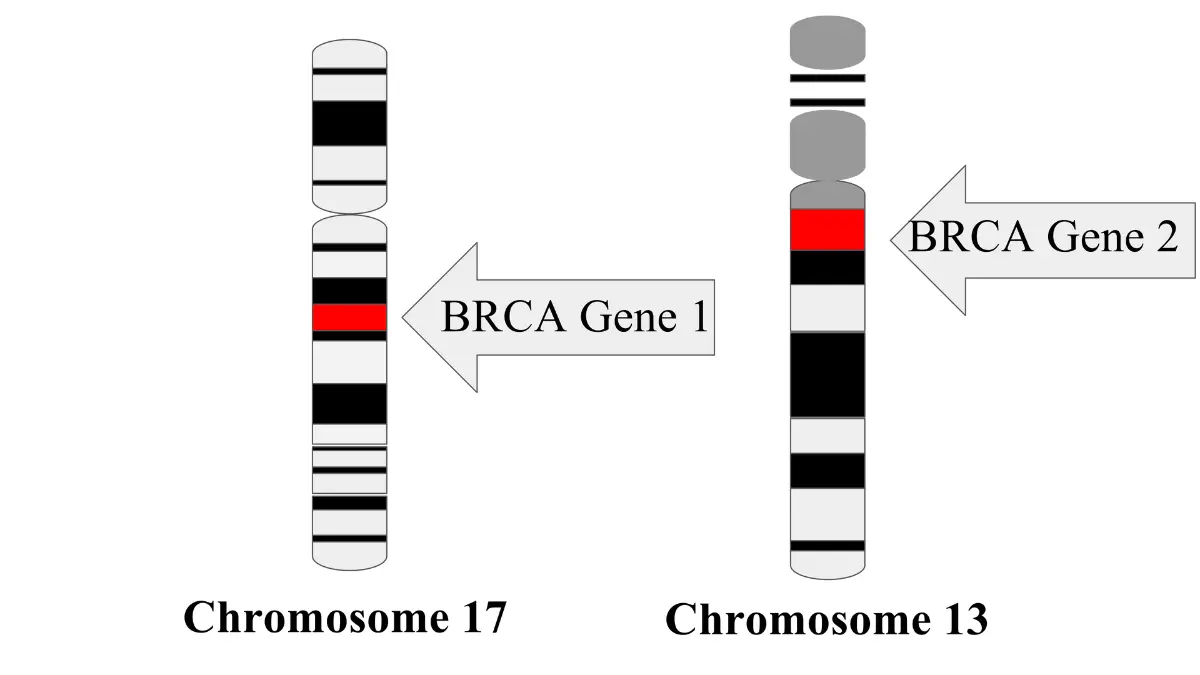
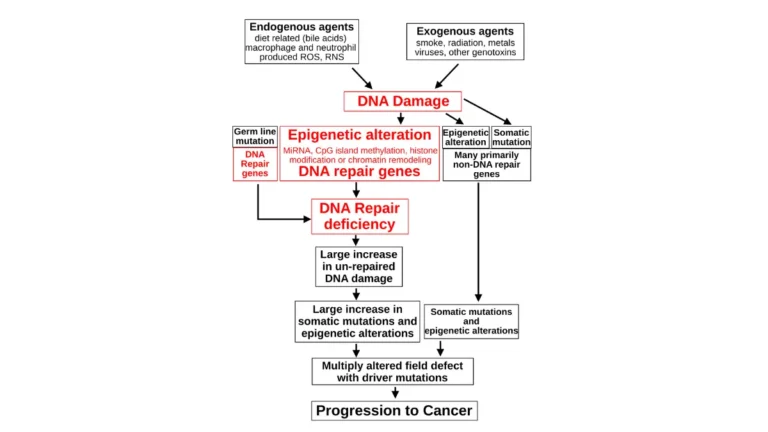
BRCA1 and BRCA2 are tumor suppressor genes responsible for repairing damaged DNA. When either carries a pathogenic mutation, that repair mechanism is impaired — elevating lifetime breast cancer risk significantly above the population average of approximately 12.9%.
📊 Clinical Data Point: Women with a BRCA1 mutation face a lifetime breast cancer risk of approximately 55–72%. Women with a BRCA2 mutation face approximately 45–69% lifetime risk. — Source: NCI BRCA1 and BRCA2 Cancer Risk Fact Sheet, 2026
The clinical distinction between the two mutations matters. BRCA1-linked cancers are more frequently hormone receptor-negative and tend to develop at younger ages. BRCA2 mutations additionally elevate male breast cancer risk and pancreatic cancer risk — a consideration for male relatives of carriers as well.
🔬 How It Works: BRCA1 and BRCA2 proteins normally detect DNA strand breaks and signal the cellular repair machinery. A pathogenic mutation disables this surveillance function — allowing DNA damage to accumulate uncorrected over time, creating conditions in which malignant mutations go unrepaired and tumors can develop.
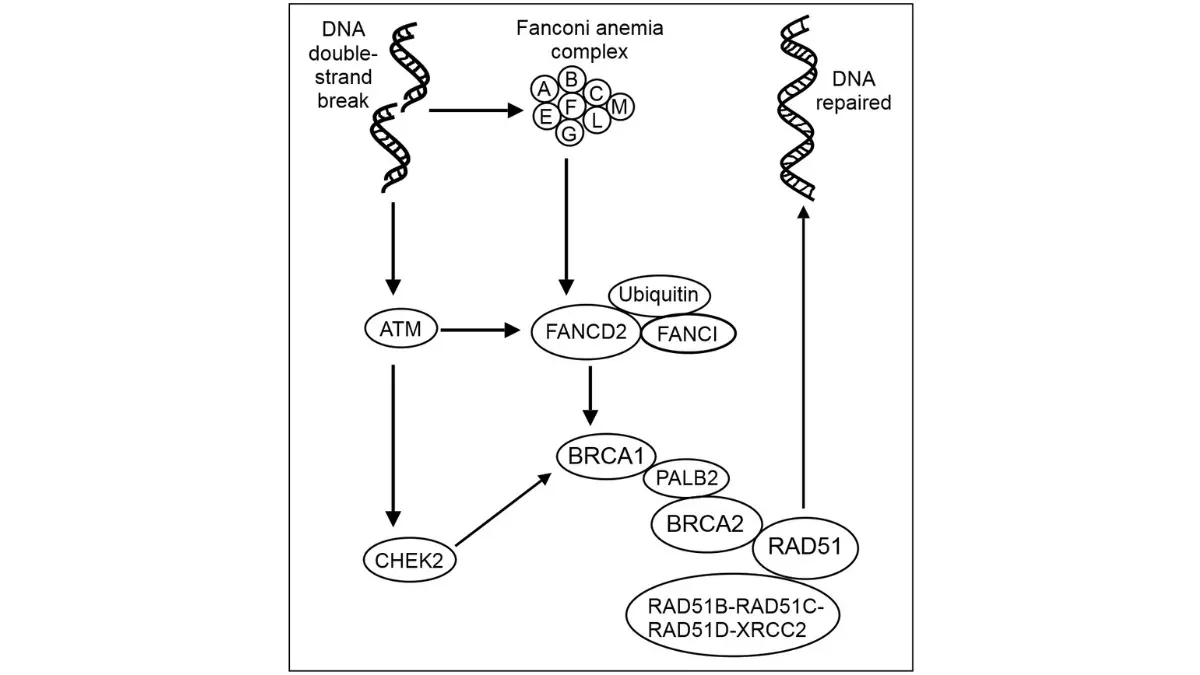
For a step-by-step guide to reading your BRCA test results — including what a positive result, negative result, and variant of uncertain significance (VUS) each mean clinically — see our dedicated resource.
Other gene mutations that raise breast cancer risk
Panel genetic testing now assesses a broader set of risk genes beyond BRCA. PALB2 carries a lifetime breast cancer risk of approximately 35%. CDH1 is associated with hereditary lobular breast cancer and hereditary diffuse gastric cancer. STK11 is linked to Peutz-Jeghers syndrome and elevated breast cancer risk. ATM and CHEK2 carry moderate elevated risk and are routinely identified on expanded panel testing.
According to the NCI’s BRCA and hereditary breast cancer risk data, lifetime risk estimates vary by mutation, testing methodology, and study population — reinforcing why specialist interpretation of results is essential.
When should you consider genetic counseling?
The 2026 NCCN guidelines identify the following family history patterns as formal referral criteria for genetic counseling:
- A first-degree relative diagnosed with breast cancer before age 50
- Any first-degree relative diagnosed with ovarian cancer
- Two or more relatives on the same side of the family diagnosed with breast cancer
- A known BRCA or other pathogenic mutation in any family member
- Male breast cancer anywhere in the family
- Ashkenazi Jewish ancestry with any affected first-degree relative
✅ Patient Action: If your family history matches any of the criteria above, ask your physician specifically for a referral to a board-certified genetic counselor — not a general oncology appointment. Genetic counselors are trained to interpret pedigree patterns and determine which test panel is clinically appropriate. Consult a board-certified genetic counselor or gynecologic oncologist before proceeding with any genetic testing.
If you are uncertain whether your family history pattern warrants further evaluation, assess your hereditary cancer risk using our Genetic Risk Assessment Tool as a structured starting point before your physician visit.
🩺 Physician Note: “The patients in my practice who most often miss their window for early detection are those who assumed a negative BRCA1 and BRCA2 result meant they had no hereditary risk. PALB2, CDH1, and ATM mutations carry real clinical weight and are increasingly identified on expanded panels. A negative BRCA result is not the same as a negative comprehensive hereditary cancer panel.” — Dr. Carolyn D. Fairweather, MD, Gynecologic Oncology
How hormones and reproductive history affect your risk
Longer lifetime exposure to estrogen is the biological thread connecting all of the risk factors in this section.
Early periods, late menopause, and cumulative estrogen exposure
Women who experience their first menstrual period before age 12 or reach natural menopause after age 55 have a longer window of cyclical estrogen exposure — and a modestly elevated breast cancer risk as a result of that extended hormonal timeline.
🔬 How It Works: Estrogen promotes cell division in breast tissue. More lifetime ovulatory cycles mean more cumulative cell division events — and more opportunities for DNA replication errors that can initiate malignant change over time.
Menopausal hormone therapy and breast cancer risk
Menopausal hormone therapy (MHT) is among the most clinically nuanced risk factors in this article. Combined estrogen-progestin MHT is associated with a modest increase in breast cancer risk with prolonged use. Estrogen-only MHT — used in women who have had a hysterectomy — carries a lower risk profile.
The absolute risk increase for most women using either formulation for fewer than five years is small. The clinical decision is highly individual and depends on symptom burden, baseline risk, family history, and planned duration.
✅ Patient Action: If you are currently using or considering menopausal hormone therapy, ask your physician specifically: “Given my breast cancer risk profile, what is my estimated absolute risk increase from my current hormone regimen, and at what point would you recommend reassessing it?” Consult a board-certified gynecologist or gynecologic oncologist before making any changes to your hormone therapy — do not discontinue abruptly without guidance.
Pregnancy, breastfeeding, and protective hormonal effects
Delivering a first full-term pregnancy before age 30 is associated with a modest long-term reduction in breast cancer risk. Women who have never delivered a full-term pregnancy carry a slightly elevated risk compared to those who have.
Breastfeeding is associated with a modest additional protective effect, with longer cumulative duration linked to greater risk reduction, according to 2026 clinical evidence. The protective effect is real but modest — it does not substantially offset a BRCA mutation, an ADH diagnosis, or prolonged hormone therapy use.
Benign breast conditions that raise your cancer risk
A “benign” biopsy result does not always mean your risk is unchanged. The specific type of benign finding determines whether your cancer risk has increased — and by how much.
The spectrum of benign breast conditions: from no risk to high risk
Benign breast conditions fall across a distinct risk spectrum. The category of your finding — not just the word “benign” — is what determines clinical action.
| Benign Condition | Relative Risk vs. General Population | Clinical Implication |
|---|---|---|
| Non-proliferative lesions (cysts, mild hyperplasia) | No elevated risk | Continue standard screening schedule |
| Proliferative lesions without atypia | 1.5–2× elevated | Discuss surveillance frequency with physician |
| Atypical ductal hyperplasia (ADH) | 3–5× elevated | Enhanced surveillance; chemoprevention discussion |
| Lobular carcinoma in situ (LCIS) | 7–10× elevated | Formal surveillance plan required |
⚠️ Clinical Warning: The word “carcinoma” in LCIS is clinically misleading. LCIS is not cancer — it does not invade surrounding tissue and does not require surgical removal. It is a risk marker indicating abnormal cell growth in the lobules that warrants a formal surveillance plan and specialist discussion, not immediate surgical intervention.
✅ Patient Action: If you have been diagnosed with ADH or LCIS, ask your specialist: “What is my surveillance schedule, and am I a candidate for chemoprevention with tamoxifen or a similar FDA-approved agent?” Consult a board-certified breast surgeon or gynecologic oncologist before deciding on any management approach following these diagnoses.
For an overview of the types of breast cancer that can develop from high-risk benign conditions, including invasive ductal carcinoma and invasive lobular carcinoma, see our condition guide.
Dense breast tissue: what it means and what to do about it
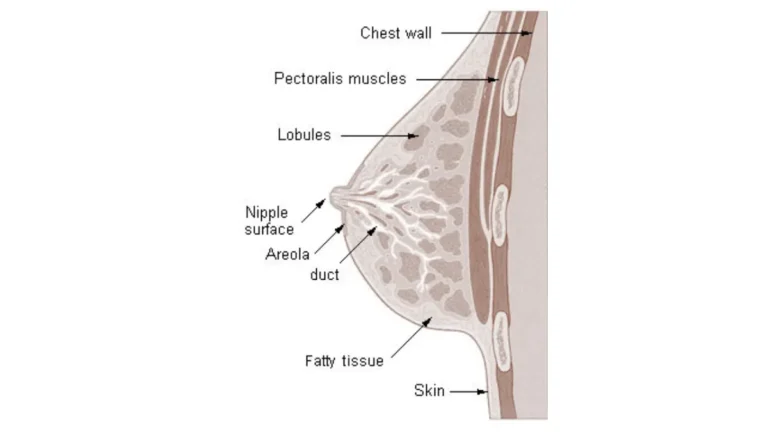
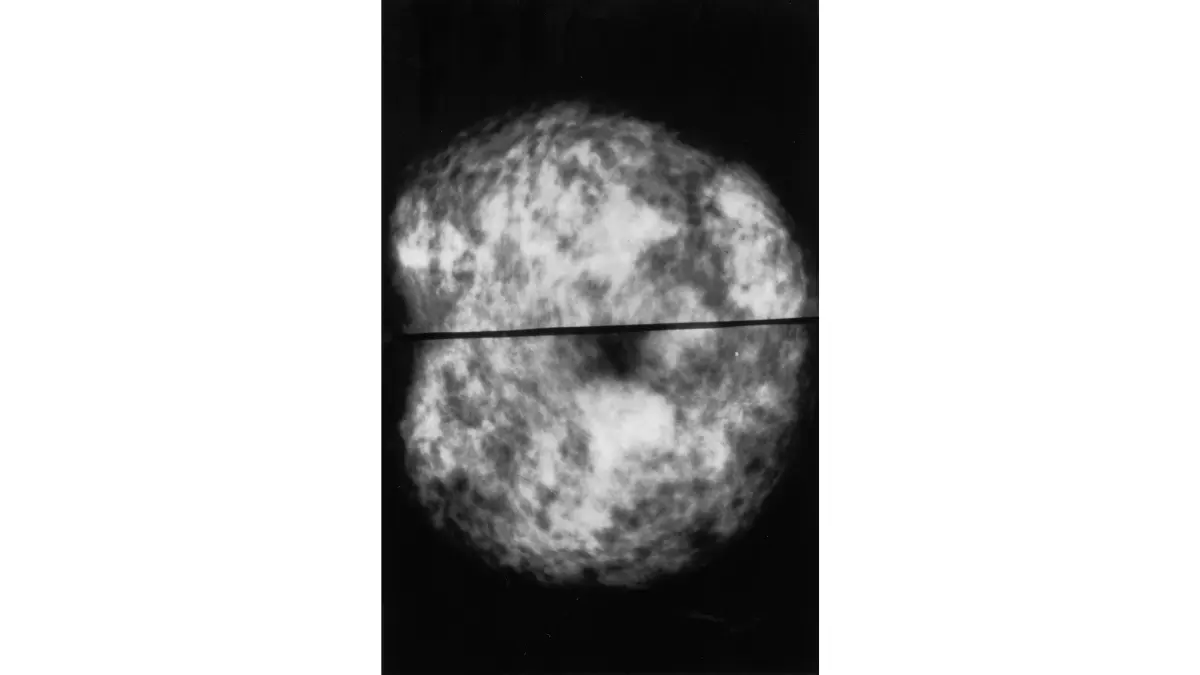
Dense breast tissue — classified as BI-RADS category C or D on a mammogram — creates two independent clinical problems simultaneously: it is an independent risk factor for breast cancer, and it reduces mammogram sensitivity by making tumors harder to detect against a dense background.
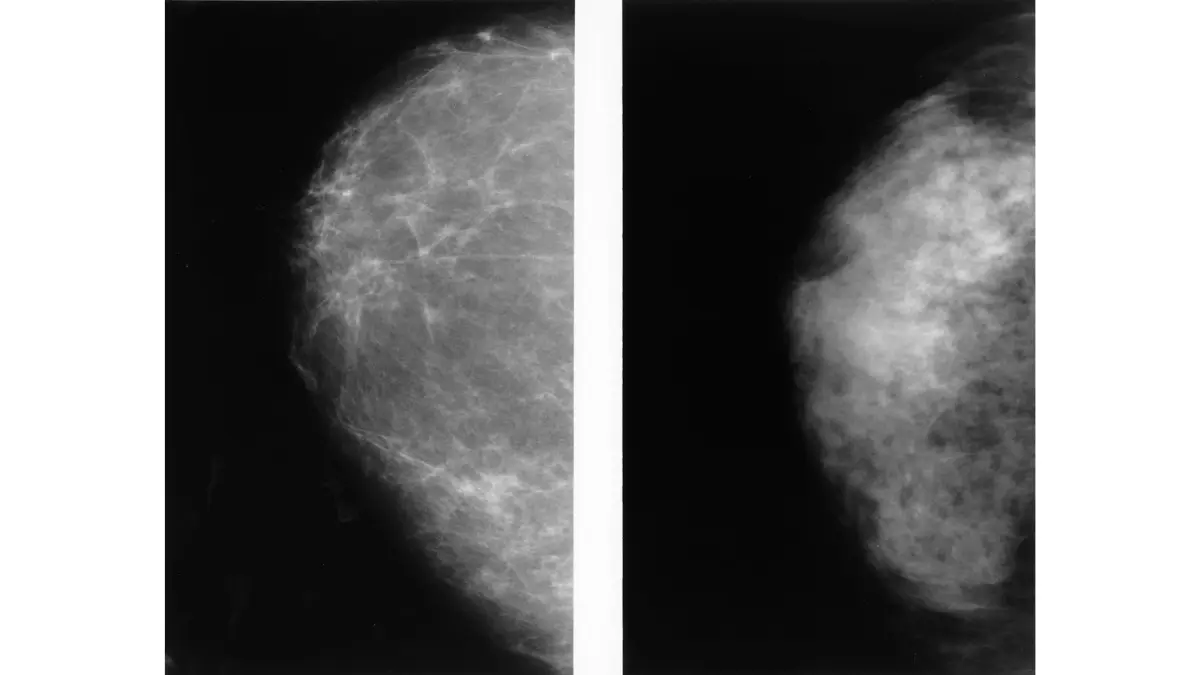
📊 Clinical Data Point: Women with extremely dense breast tissue (BI-RADS D) face approximately 2× the breast cancer risk of women with average-density breasts. — Source: ACS 2026 Cancer Facts and Figures
As of 2026, the FDA requires all mammography facilities in the United States to notify patients of their breast density category. If you have received a density notification and are uncertain what it means, our guide to understanding your mammogram BI-RADS score and what a callback means explains each category and what supplemental imaging options — ultrasound, MRI — your density level may warrant.
Lifestyle choices that raise your breast cancer risk
These are the risk factors where your choices carry a measurable clinical impact. This is not a source of blame — it is a source of actionable information.
Alcohol and breast cancer risk: the dose-response relationship
Alcohol raises breast cancer risk through a clear dose-response relationship: risk increases proportionally with the amount consumed. Current 2026 evidence has not identified a lower drinking threshold below which breast cancer risk is unaffected — meaning no established “safe” amount of alcohol exists from a breast cancer risk standpoint.
📊 Clinical Data Point: Each additional alcoholic drink consumed per day increases breast cancer risk by approximately 7–10%. This applies equally to wine, beer, and spirits.
Most patients are surprised by this. The absence of a safe lower threshold is the detail that changes how they think about moderate drinking — not as a judgment, but as a clinical fact worth knowing.
Weight, physical activity, and post-menopausal breast cancer risk
Post-menopausal obesity is among the most significant modifiable risk factors for breast cancer — and the mechanism explains precisely why.
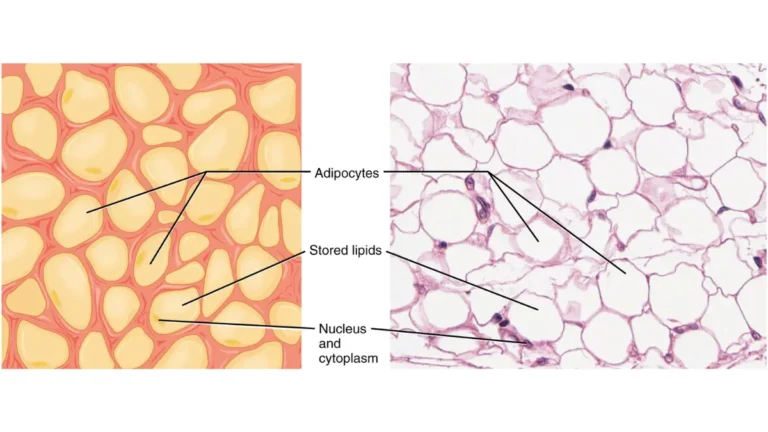
🔬 How It Works: After menopause, when ovarian estrogen production ceases, adipose (fat) tissue becomes the body’s primary estrogen source through a process involving the enzyme aromatase. Greater fat tissue volume means greater aromatase activity, which means more circulating estrogen, which drives breast cell proliferation. This mechanism is why post-menopausal obesity carries stronger risk than pre-menopausal obesity.
Invasive ductal carcinoma, the most common type of breast cancer, is among the malignancies most strongly associated with post-menopausal hormonal drivers — making weight management a clinically meaningful long-term prevention strategy. Physical inactivity is independently associated with elevated risk, though the evidence base is less robust than for alcohol and obesity. Smoking carries a modest risk elevation, particularly with heavy, long-duration use beginning before a first full-term pregnancy.
Calculate your current BMI and discuss weight management with your physician if your result falls above a healthy range for your age and body type.
What a gynecologic oncologist does when your risk is high
Understanding your individual risk factors is the first step. Formal risk stratification — and, for some women, chemoprevention — is the clinical response.
How physicians formally calculate breast cancer risk
When a patient presents with multiple elevated risk factors, formal risk calculation uses validated clinical models. The Tyrer-Cuzick model incorporates hereditary, hormonal, tissue-level, and reproductive factors to generate a lifetime risk estimate. The Gail model calculates a 5-year absolute risk.
The thresholds that change the clinical conversation, per 2026 NCCN guidelines: a Tyrer-Cuzick lifetime risk of 20% or above warrants annual breast MRI alongside mammography. A Gail model 5-year risk of 1.7% or above is the most commonly cited eligibility threshold for chemoprevention discussion.
🩺 Physician Note: “In my practice, the most commonly missed opportunity is the patient with ADH, dense breasts, and a second-degree family history — a combination that frequently exceeds the 20% Tyrer-Cuzick threshold — who has never had a formal risk calculation because no one triggered the referral. That 15-minute clinical conversation can change a woman’s entire cancer surveillance trajectory.” — Dr. Carolyn D. Fairweather, MD, Gynecologic Oncology
FDA-approved chemoprevention options for high-risk women
Chemoprevention refers to the use of FDA-approved medications to reduce breast cancer risk in eligible high-risk women. Three drug categories currently hold approval for this indication:
- Tamoxifen (selective estrogen receptor modulator) — approved for both pre- and post-menopausal high-risk women
- Raloxifene (selective estrogen receptor modulator) — approved for post-menopausal women; also carries bone-protective effects
- Exemestane / anastrozole (aromatase inhibitors) — approved for post-menopausal women; block peripheral estrogen production
✅ Patient Action: At your next appointment, ask your physician to run your Tyrer-Cuzick lifetime risk score. If it exceeds 20%, ask specifically for a referral to a board-certified gynecologic oncologist to discuss enhanced screening and whether chemoprevention is appropriate for your risk profile. Consult a gynecologic oncologist who specializes in hereditary cancer risk before beginning any risk-reduction medication.
Full indications for chemoprevention are outlined in the NCCN 2026 breast cancer risk reduction guidelines. For women at elevated risk who want clinical context on outcomes if cancer does develop, how breast cancer survival rates vary by stage and subtype provides relevant data for that conversation.
Frequently asked questions about breast cancer risk factors
1. What are the main risk factors for breast cancer?
Breast cancer risk factors fall into two categories: non-modifiable factors you cannot change — including age, sex, genetics, and family history — and modifiable factors where your choices have measurable impact. The strongest non-modifiable factors are advanced age and BRCA gene mutations. The strongest modifiable factors are alcohol consumption, post-menopausal obesity, and prolonged hormone therapy use.
2. Does having a risk factor mean I will definitely get breast cancer?
No. Having breast cancer risk factors does not make the disease inevitable. Most women with known risk factors never receive a breast cancer diagnosis. Approximately 70% of new breast cancers occur in women with no identifiable hereditary risk factor. Risk factors shift probability — they are not predictions. Not having any identifiable risk factor does not guarantee protection.
3. What is the BRCA gene and how does it raise my risk?
BRCA1 and BRCA2 are tumor suppressor genes that repair damaged DNA. A pathogenic mutation impairs this function, significantly elevating lifetime breast cancer risk: BRCA1 carriers face approximately 55–72% lifetime risk; BRCA2 carriers face approximately 45–69% — versus the general population average of approximately 12.9%. Consult a board-certified genetic counselor before proceeding with BRCA testing.
4. Which genetic mutations besides BRCA increase breast cancer risk?
Several mutations beyond BRCA significantly raise breast cancer risk. PALB2 carries approximately 35% lifetime risk. CDH1 is linked to hereditary lobular breast cancer. STK11 is associated with Peutz-Jeghers syndrome and elevated risk. ATM and CHEK2 carry moderate elevated risk and appear on expanded panel testing. Consult a board-certified genetic counselor to determine which test panel is appropriate for your family history.
5. How much does family history affect breast cancer risk?
Family history is among the strongest breast cancer risk factors. Having one first-degree relative with breast cancer roughly doubles your risk. Two or more affected first-degree relatives may increase risk three-fold or more. Second-degree relatives also contribute, particularly when multiple family members on the same side are affected. Consult a board-certified genetic counselor if multiple relatives in your family have been diagnosed.
6. At what age does breast cancer risk increase the most?
Breast cancer risk increases steadily throughout life. The sharpest acceleration begins after age 40, with most new diagnoses occurring in women over 55. The US median age at diagnosis is approximately 62 years, per 2026 NCI data. Younger women are not without risk — particularly those with BRCA mutations, dense breast tissue, or strong family history.
7. Does alcohol increase breast cancer risk even in small amounts?
Yes. Alcohol raises breast cancer risk through a dose-response relationship — risk increases proportionally with consumption, and no safe lower threshold has been established. Each additional drink per day increases risk by approximately 7–10%. This applies equally to wine, beer, and spirits. Current 2026 evidence does not identify a level of alcohol consumption below which breast cancer risk is unaffected.
8. Does being overweight raise breast cancer risk?
Post-menopausal obesity is among the most significant modifiable breast cancer risk factors. After menopause, fatty tissue produces estrogen through aromatase enzyme activity — greater fat tissue volume means more circulating estrogen and more breast cell proliferation. The association is strongest after menopause; the relationship between pre-menopausal weight and breast cancer risk is more complex and less linear.
9. Does hormone therapy increase breast cancer risk?
The answer depends on the type of menopausal hormone therapy (MHT) used. Combined estrogen-progestin MHT is associated with a modest breast cancer risk increase with prolonged use. Estrogen-only MHT — used in women post-hysterectomy — carries a lower risk profile. Absolute risk increase is small for most short-term users. Consult a board-certified gynecologist before making any changes to your hormone therapy regimen.
10. What is dense breast tissue and how does it affect cancer risk?
Dense breast tissue — BI-RADS category C or D on a mammogram — creates two independent problems: it is a breast cancer risk factor itself, and it reduces mammogram sensitivity. Women with extremely dense breasts face approximately 2× the risk of average-density women. As of 2026, the FDA requires all mammography facilities to notify patients of their breast density category.
11. What is atypical ductal hyperplasia and how much does it raise risk?
Atypical ductal hyperplasia (ADH) is an overgrowth of abnormal cells in the breast milk ducts. It is associated with a 3–5× elevated breast cancer risk compared to the general population — one of the strongest risk multipliers in the benign breast condition spectrum. ADH warrants an enhanced surveillance plan and a chemoprevention discussion. Consult a board-certified breast surgeon or gynecologic oncologist to determine your management approach.
12. What is LCIS and does it mean I have cancer?
Lobular carcinoma in situ (LCIS) is not cancer. Despite the word “carcinoma” in its name, LCIS does not invade surrounding tissue and does not require removal. It is a risk marker associated with a 7–10× elevated breast cancer risk in either breast. LCIS requires a formal surveillance plan. Consult a board-certified breast surgeon or gynecologic oncologist to establish your management protocol.
13. Can breastfeeding reduce breast cancer risk?
Breastfeeding is associated with a modest breast cancer risk reduction, with longer cumulative duration linked to greater benefit. The mechanism likely involves hormonal suppression during lactation and breast cell differentiation. The protective effect is real but modest — it does not substantially offset major risk factors such as a BRCA mutation, an ADH diagnosis, or prolonged alcohol use.
14. Are Black women at higher risk for breast cancer?
Overall breast cancer incidence rates are comparable between Black and white women in the United States. The disparity lies in outcomes: Black women have higher rates of triple-negative breast cancer — hormone receptor-negative and more aggressive — and a mortality rate approximately 40% higher than white women, per 2026 ACS data. These disparities reflect tumor biology, screening access, and timing of diagnosis.
15. Does smoking increase breast cancer risk?
Evidence links heavy, long-duration smoking — especially beginning before a first full-term pregnancy — to a modestly elevated breast cancer risk. The evidence is less consistent than for alcohol or obesity. Smoking cessation reduces this risk and provides substantial protection against multiple cancers beyond breast cancer alone.
16. How do I know if I should get genetic testing for breast cancer?
The 2026 NCCN guidelines identify these referral triggers for breast cancer genetic testing: a first-degree relative diagnosed before age 50; any first-degree relative with ovarian cancer; two or more relatives on the same side with breast cancer; male breast cancer in the family; or Ashkenazi Jewish ancestry with any affected relative. Consult a board-certified genetic counselor for pre-test evaluation and family pedigree review.
17. What can I do to lower my breast cancer risk?
The most evidence-supported steps to reduce breast cancer risk include limiting alcohol, maintaining a healthy post-menopausal weight, exercising regularly, and adhering to recommended screening schedules. Women with multiple elevated risk factors should ask their physician to calculate a Tyrer-Cuzick score and discuss whether chemoprevention with FDA-approved tamoxifen, raloxifene, or an aromatase inhibitor is appropriate for their individual risk profile.
Your next steps after understanding your breast cancer risk
Breast cancer risk is not a single number. It is the product of your genetics, your hormonal history, your breast tissue characteristics, and your lifestyle choices — all interacting across time.
The most useful thing you can do before your next appointment is write down your family history on both sides, note any benign biopsy results or dense breast density notifications you have received, and bring one specific question: “What is my formal lifetime breast cancer risk score, and does it warrant a referral to a specialist?”
Ask your physician to calculate your Tyrer-Cuzick lifetime risk score. That single number opens a clinical conversation — about enhanced screening, surveillance planning, and possibly chemoprevention — that most women with elevated risk never have, simply because no one triggered it. You are now in a position to trigger it yourself.
About this content
How this article was put together: researched from recognised health sources, drafted with the help of AI tools, and edited by hand, with sources linked throughout.

Sameer Patel is the founder and editor of My Medicine Advisor. He is not a doctor or medical professional — before starting this site he worked in banking,…
Medical disclaimer
The content on MyMedicineAdvisor is provided for general informational and educational purposes only and is not a substitute for professional medical advice, diagnosis, or treatment. Health information on this website should not be used to diagnose, treat, cure, or prevent any condition without guidance from a qualified healthcare professional. Always seek the advice of your doctor, physician, or another licensed healthcare provider with any questions you may have regarding a medical condition, symptoms, medications, or treatment decisions.